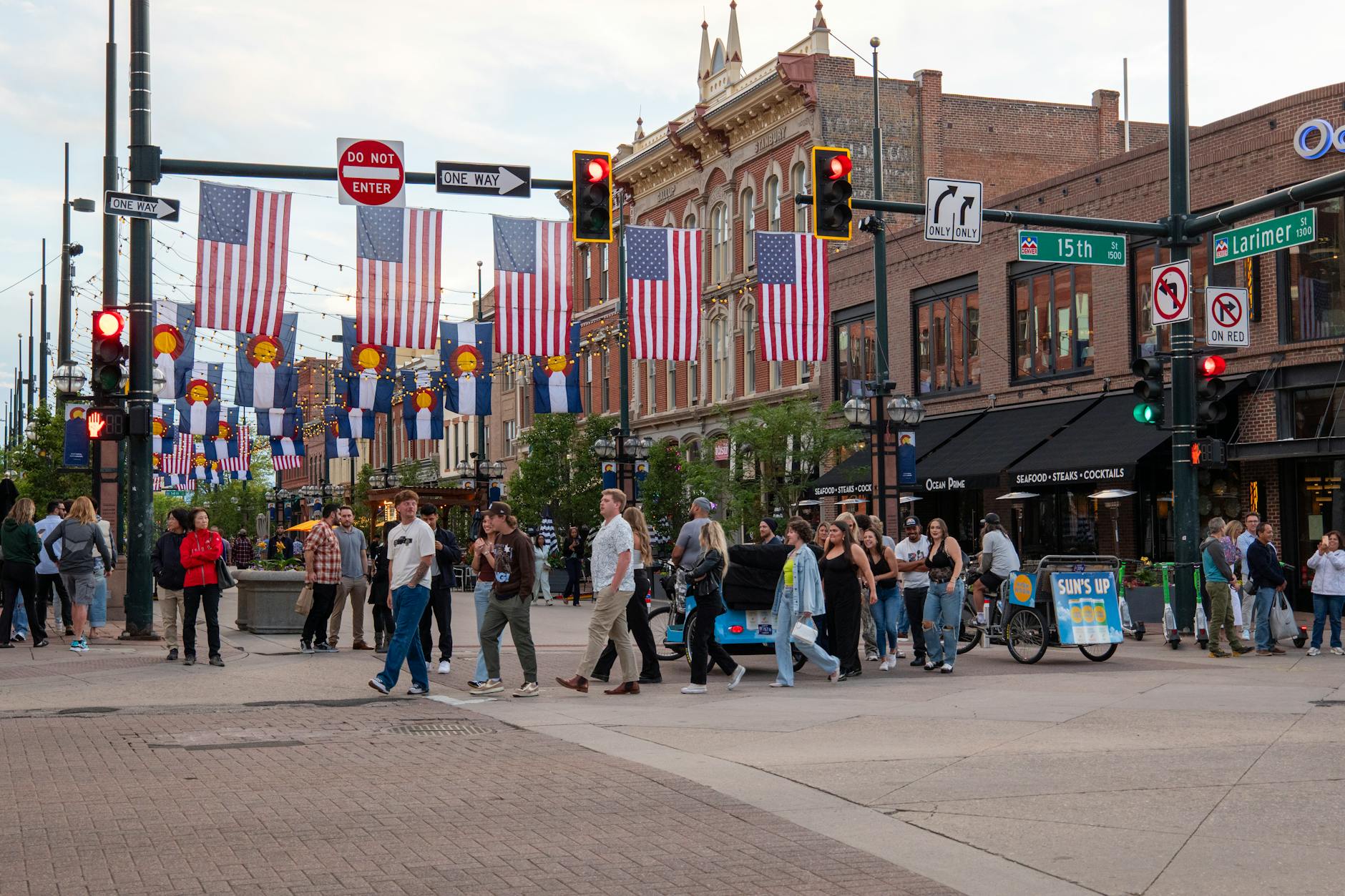
Denver businesses are fighting for visibility in a city that grows more crowded every day. You’ve likely noticed that ranking for broad terms like Denver real estate or best Denver restaurants feels nearly impossible. It’s draining. Successful brands are shifting their focus from the entire city to specific street corners and community hubs where customers actually live. Implementing a denver localized content strategy for high search volume neighborhoods is the most direct path to capturing ready-to-buy traffic right now. You don’t need a massive budget to win. You just need to speak the language of five points, highlands, and cherry creek better than your competitors do.
Why do neighborhood specific keywords matter for Denver businesses?
The Mile High City is a collection of distinct personalities. A person searching in Capitol Hill has different needs and a different vibe than someone looking for services in Stapleton. Search engines have evolved. They now prioritize proximity and hyper-local relevance above all else. When you target the specific street names, landmarks, and zip codes that define a neighborhood, you eliminate 90 percent of your competition. They’re still chasing the big city terms. You’re winning the local block.
Google appreciates specificity. It wants to give users the most helpful answer possible. If a user in LoDo searches for a coffee shop, Google won’t show them a great place in Lakewood just because it has a high domain authority. It shows the shop that has correctly mapped its location and content to the lower downtown district. This is the core of a denver localized content strategy for high search volume neighborhoods. You’re building a digital map for search bots. They’ll follow it right to your door.
Users trust local experts. When a customer sees that you’ve written about the Cherry Creek Arts Festival or the history of Washington Park, they view you as a neighbor. That trust translates into clicks. And clicks from people living five minutes away translate into actual revenue. It’s simpler to convert a neighbor than a stranger from across the state. Focus your efforts where the foot traffic lives.
Which Denver neighborhoods have the highest search volume in 2026?
Data drives decisions. You can’t just guess which areas to target. In 2026, we see massive spikes in search volume for RiNo Art District and Sloan’s Lake. These areas are undergoing rapid residential growth. New residents mean new searches for home services, dining, and local amenities. If you’re not visible here, you’re missing out on the newest wave of Denver consumers. It’s a gold mine for local SEO.
The tech hub in DTC continues to dominate professional services searches. Businesses targeting B2B clients or high-income homeowners should prioritize Greenwood Village and the surrounding Tech Center area. Meanwhile, The Highlands remains a powerhouse for lifestyle and retail search volume. People move there for the culture. They use search engines to discover how to engage with that culture. Your content must meet them there.
Don’t ignore the outskirts. Neighborhoods like Hampden and Harvey Park are seeing a resurgence in search interest as urban density pushes people further out. A smart denver localized content strategy for high search volume neighborhoods looks at the data from the last six months. It spots trends before they become overpriced. Use tools like Google Trends and local heat maps to verify where the eyeballs are shifting. Stay ahead of the curve.
How do you perform keyword research for Denver neighborhood modifiers?
Start with the basics. Take your primary service and pair it with every neighborhood name in the city. You might think plumber Denver is your main goal, but emergency plumber Park Hill often carries much higher intent. People in Park Hill might live in older homes with specific plumbing needs. Mentioning those specific architectural styles in your content creates a powerful signal. It tells the user you understand their specific problem. They’ll call you first.
Use local landmarks. Near Union Station or walking distance to Coors Field are phrases people actually type. These are called geo-modifiers. They act as anchors for your local search presence. And they help you capture traffic from visitors and residents alike. But don’t just guess. Check the monthly volume for these long-tail phrases. You’ll be surprised how many people use very specific descriptions once they start searching from their mobile devices.
Listen to your customers. What do they call their part of town? Sometimes the official neighborhood name isn’t what people use. Some might say LoHi while others strictly say Lower Highland. Use both. Your denver localized content strategy for high search volume neighborhoods should reflect the actual speech patterns of Denverites. This builds authenticity. It also captures the messy way people actually search when they’re in a hurry.
What are the essential elements of a Denver local landing page?
Structure is everything. Every neighborhood you target needs a dedicated landing page. This isn’t just a copy-paste job with a different name at the top. You need a unique H1 tag that includes the neighborhood and the primary service. For example: Residential Landscaping Services in Washington Park Denver. This tells the search engine exactly where you operate. It’s a clear signal.
Embed a custom Google Map. This isn’t just for looks. It helps Google’s crawlers associate your business address with the specific geographic coordinates of that neighborhood. Include NAP data: name, address, and phone number. This must be 100 percent consistent across the entire web. Even a tiny mismatch in a suite number can hurt your rankings. Be meticulous with your details.
Write about the local area. Mention nearby businesses, schools, and parks. If you’re a realtor in Hilltop, mention Cranmer Park and the local sundial. This adds local context that AI search engines and generative search experiences crave in 2026. They’re looking for proof that you’re an authority in that specific Denver micro-market. Give them the proof they want. Make it undeniable.
How should you use local events to drive search traffic?
Events are temporary but powerful. The Great American Beer Festival or First Fridays in Santa Fe Art District generate massive search spikes every year. People aren’t just looking for the event. They’re looking for where to eat before it, where to park, and what else to do nearby. You can capture this traffic by creating curated guides. These guides serve as a gateway to your brand. They’re highly shareable.
Update your content calendar. Look at the City of Denver official event list. Map out the next six months of major neighborhood gatherings. If you own a boutique in Tennyson Street, write a guide for the Fallfest. This captures users who are in the research phase of their weekend plans. And it positions your business as a pillar of the community. It’s brand building and SEO in one move.
Use social media as a booster. Once you publish a neighborhood event guide, share it in local Facebook groups or Nextdoor threads. This drives immediate referral traffic. It also sends social signals to search engines that your content is relevant today. Recency is a huge factor for denver localized content strategy for high search volume neighborhoods. Stay active. Stay relevant.
Can Google Business Profile posts improve neighborhood rankings?
Yes, absolutely. Think of your Google Business Profile as your storefront on the search results page. If you aren’t posting weekly updates, you’re leaving money on the table. Create posts that mention specific neighborhoods by name. If you just finished a project in Congress Park, post a photo and mention it in the caption. Use the neighborhood name naturally.
Geotag your images. Before you upload a photo to your profile, ensure the metadata contains the latitude and longitude of the Denver neighborhood where it was taken. This is a subtle but effective way to boost hyper-local relevance. It connects your visual evidence to a physical location. Search engines see this and gain confidence in your service area claims. It’s an easy win.
Encourage local reviews. When a customer in Arvada or Aurora is happy, ask them to mention their neighborhood in the review. A review that says The best HVAC repair in Sunnyside is worth ten generic reviews. Google reads those reviews to confirm where your business is most active. It’s the ultimate form of social proof. And it’s completely free.
Does mobile optimization impact Denver local search results?
Mobile is the primary way people find local services. In 2026, over 80 percent of neighborhood-based searches happen on a smartphone. If your site takes more than two seconds to load on a 5G connection, you’re losing the lead. Denver users are often on the move. They might be walking down 16th Street Mall or sitting in a brewery. They won’t wait for a heavy site.
Simplify the user journey. Your phone number should be a click-to-call link. Your address should open directly in Google Maps. Don’t make people hunt for information. A effective denver localized content strategy for high search volume neighborhoods accounts for the small screen experience. Use larger fonts and clear buttons. Make it easy for a person with cold fingers at a Broncos game to find you.
Prioritize local intent. When someone is on a mobile device, they usually have now intent. They need a solution in the next hour, not next week. Your mobile-optimized neighborhood pages should highlight your availability and current offers. Use schema markup to show your open hours directly in the search results. This reduces friction and increases your click-through rate. It’s just smart business.
How do you measure the success of a hyper-local strategy?
Tracking is non-negotiable. You need to know which neighborhoods are actually driving revenue. Use Google Search Console to monitor which local queries are bringing in clicks. If you’re ranking for Five Points retail but not getting sales, your content might be missing the mark. You might be attracting tourists instead of locals. Adjust your voice to speak more directly to residents.
Use call tracking numbers. Assign a unique phone number to different neighborhood landing pages. This allows you to attribute every lead to a specific part of your denver localized content strategy for high search volume neighborhoods. It’s the only way to prove ROI to yourself or your stakeholders. You’ll quickly see which areas are your profit leaders. Double down on those.
Monitor your Map Pack position. Being in the top three results for a neighborhood search is the goal. Use a local rank tracker that can simulate searches from specific zip codes. Ranking #1 from your office doesn’t mean you’re ranking #1 from Belmar. Real-time, location-based tracking is the gold standard in 2026. Keep your eyes on the data. It never lies.
Your next move for Denver domination
Don’t wait for the competition to wake up. Start by auditing your current website for neighborhood mentions. Choose three high-volume areas like Berkeley, Cherry Creek, or Five Points and build dedicated landing pages for them this week. Focus on quality over quantity. One deep, helpful page about Wash Park is better than ten thin pages for every suburb. Quality wins the algorithm every time.
Update your Google Business Profile immediately. Add ten high-quality photos and write a post about a recent local project. Use the neighborhood names. Mention the streets. Show the world that you’re active in the Denver community. This builds immediate momentum. It’s the easiest way to start moving the needle today.
Review your denver localized content strategy for high search volume neighborhoods every month. The city is changing fast. New developments are popping up in Montbello and Globeville. Stay agile. Be the first to create content for these growing pockets of the city. If you’re the first to provide value in a new neighborhood, you’ll own that search traffic for years to come. Go get started.
Frequently Asked Questions
- How long does it take to rank for a specific Denver neighborhood? Ranking for hyper-local terms is usually faster than ranking for broad city terms. With a solid denver localized content strategy for high search volume neighborhoods and consistent updates, you can see significant movement in 3 to 6 months. It depends on the local competition and your site’s existing authority.
- Should I include suburbs like Aurora or Lakewood in my Denver strategy? Yes, if you serve those areas. However, you should treat them as separate clusters. Create specific pages for Belmar or Stanley Marketplace rather than just grouping them under Denver. People in the suburbs search with high local intent. Don’t ignore them.
- Is video content important for local Denver SEO? Video is a massive advantage in 2026. A quick video walk-through of a project in RiNo or a client testimonial from a Highlands resident adds incredible trust. It also keeps people on your site longer, which is a positive ranking signal for search engines.
- How often should I update my neighborhood landing pages? Aim for once a quarter. Update local event mentions, refresh your photos, and add new customer testimonials from that specific area. Search engines love fresh content. Even small tweaks can help you maintain your lead over stagnant competitors.